How Equine-Assisted Therapy Can Support Healing
Equine-assisted therapy offers a unique, experiential approach to emotional healing and personal growth. By working alongside horses in a safe, supportive environment, individuals can explore thoughts, feelings, and behaviors in real time, in addition to talking about them. Horses are highly attuned to human emotion and body language, often mirroring what a person is experiencing internally. This creates immediate, honest feedback that can deepen self-awareness and support meaningful change.
Healing
Restoration
Harmony
Bonding
Connection

Our clinicians provide compassionate, trauma-informed care tailored to each individual’s unique needs and experiences. Areas of specialization include:
Equine-assisted therapy
Trauma-informed care
EMDR
Neurodivergence and autism support
Anxiety, stress, and overwhelm
Emotional regulation
Identity exploration
Attachment and relational patterns
Grounding and nervous system regulation
We strive to create a space where clients feel safe, supported, and empowered in their healing process.
Healing & Treatment
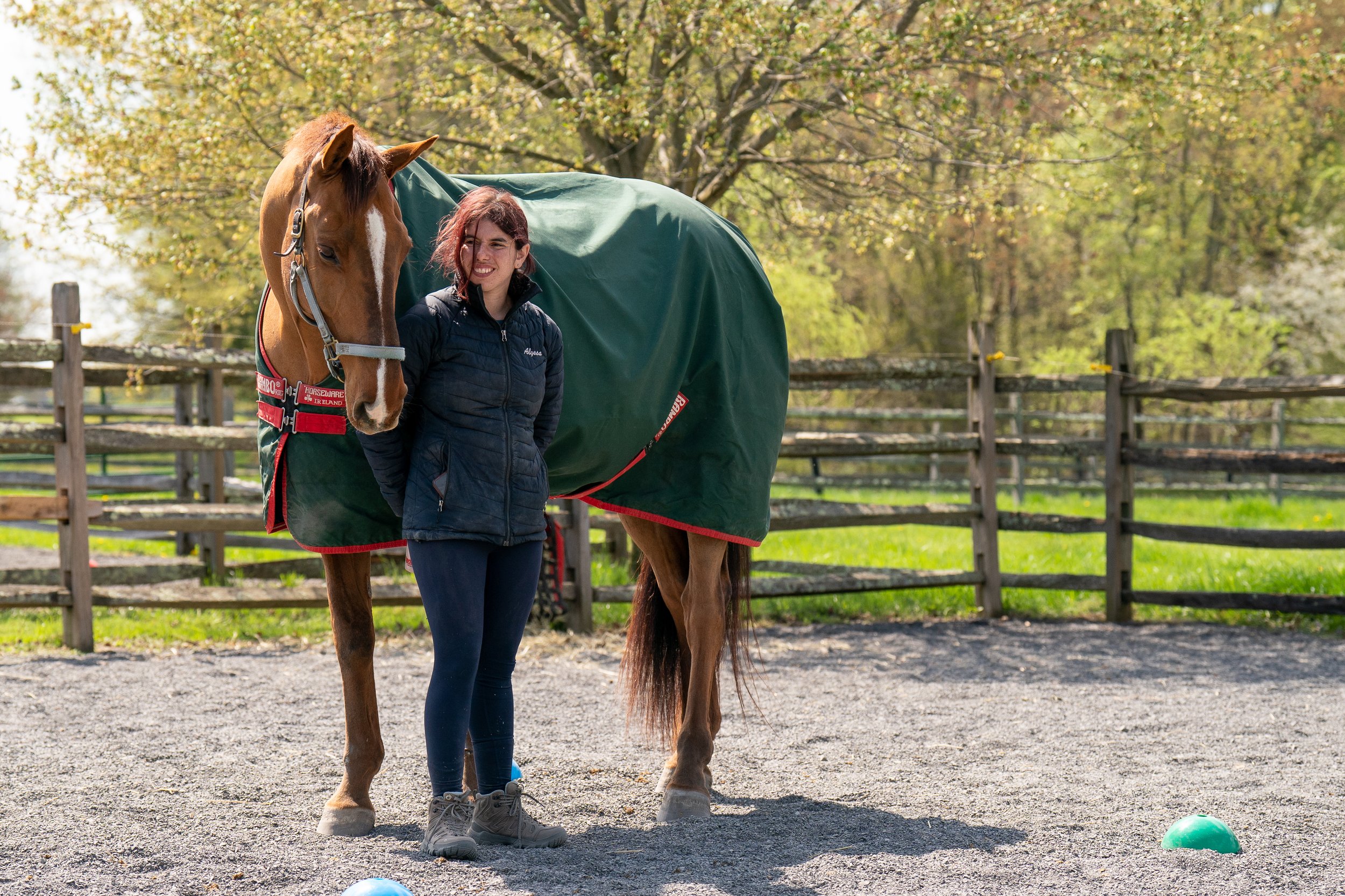
Sessions may include groundwork activities such as grooming, leading, observing herd dynamics, and engaging in structured interactions with the horses. These experiences offer opportunities to build trust, strengthen emotional awareness, and practice new ways of relating to oneself and others in a calm, supportive, and nonjudgmental environment. Because horses are highly attuned to human emotion and body language, they can provide immediate and honest feedback that supports self-awareness, grounding, and meaningful growth.
Areas of Focus
-
Depression can feel isolating, heavy, and difficult to put into words. Equine-assisted therapy gently encourages engagement through movement, routine, and connection. Spending time with horses can help interrupt patterns of withdrawal and increase a sense of purpose, even in small moments.
As individuals interact with the horse, they may begin to notice shifts in energy, motivation, and mood. The horse’s responsiveness can reinforce a sense of impact and capability, helping rebuild self-esteem and confidence. Being outdoors and physically present also supports reconnection to the body and environment, which can feel distant during depressive states.
Related Articles:
“Effect of Equine-Assisted Biographical Work (EABW) in Older Adults with Subclinical Depression: A Randomized Controlled Trial” — found significant improvements in depressive symptoms and overall wellbeing following an 8-week equine-assisted intervention.
“Equine-Assisted Therapy as an Adjunctive Method in the Treatment of Recurrent Depressive Disorder” — case study demonstrating reduced depressive symptoms and improved mood following equine-assisted psychotherapy sessions.
-
Anxiety often involves a heightened nervous system and a sense of being overwhelmed or out of control. Horses are sensitive to subtle changes in tension and energy, offering immediate feedback that can help individuals become more aware of their internal state.
Through guided interactions, clients can practice slowing down, regulating their breathing, and approaching situations with intention rather than reactivity. Learning to remain calm and grounded around a large animal can translate into increased confidence and coping skills in everyday life.
Related Articles:
“Equine-assisted therapy for anxiety and posttraumatic stress symptoms” — participants in equine-assisted therapy demonstrated significant reductions in generalized anxiety symptoms after structured sessions.
“Project Stride: An Equine-Assisted Intervention to Reduce Symptoms of Social Anxiety in Young Women” – pilot study exploring equine-assisted activities combined with cognitive-behavioral strategies for social anxiety.
-
Trauma can impact both the mind and body, often making it difficult to feel safe, present, or connected. Equine-assisted therapy provides a nonverbal, body-based approach that allows individuals to process experiences at their own pace, without pressure to share details before they are ready.
Horses respond to consistency, boundaries, and trust, offering opportunities to explore these themes in a tangible way. Clients may work on building safe connections, recognizing triggers, and developing a sense of control in their environment.
Related Articles:
“Equine-assisted therapy for anxiety and posttraumatic stress symptoms” — studies have found significant reductions in PTSD symptoms and emotional distress following equine-assisted therapy programs.
”Trauma-Focused Equine-Assisted Therapy (TF-EAT) for Veterans With PTSD (TF-EAT)” — clinical trials with veterans have explored equine-assisted therapy as a promising complementary approach for PTSD treatment.
-
For individuals on the autism spectrum, equine-assisted therapy can offer a supportive space to develop communication, emotional awareness, and confidence. Horses communicate primarily through body language, which can make interactions feel more accessible and less overwhelming than traditional social settings.
Activities can be adapted to meet each individual’s needs, offering both structure and flexibility while supporting engagement, sensory regulation, and connection.
Related Article:
“Equine assisted services impact on social skills in autism spectrum disorder: A meta-analysis” (Progress in Neuro-Psychopharmacology & Biological Psychiatry, 2023)
-
Eating disorders often involve complex relationships with the body, control, and self-perception. Equine-assisted therapy can support individuals in reconnecting with their bodies in a more compassionate and grounded way.
Working with horses encourages awareness of physical cues, boundaries, and needs in real time. Clients may explore themes such as trust, control, and self-worth through their interactions in a less verbal, more experiential way.
Related Article:
Observational studies of equine-facilitated psychotherapy have included participants with eating disorders and noted improvements across multiple mental health outcomes.
-
Individuals within the LGBTQ+ community may face unique challenges related to identity, acceptance, and belonging. Equine-assisted therapy offers a space grounded in authenticity, respect, and emotional safety.
Horses respond to presence rather than labels, allowing individuals to show up as they are without fear of judgment. This can create opportunities to explore identity, build confidence, and process experiences in a supportive, affirming environment.
Related Articles:
Research on equine-assisted therapy highlights its role in supporting emotional regulation, self-awareness, and connection across diverse populations.
Support For
Anxiety
Depression
Trauma/PTSD
Stress & burnout
Relationship issues
Grief & loss
ADHD
Mood disorders
Self-esteem issues
Life transitions
Emotional regulation
Family conflict
Couples counseling
Parenting challenges
Behavioral concerns
Autism spectrum concerns
OCD
Panic attacks
Social anxiety
Women's issues
LGBTQ+ support
Gender identity exploration
Chronic illness/pain adjustment
School or work stress
Substance use concerns
Anger management
Dissociation
Attachment issues
Eating disorders/body image
Bipolar disorder
Personality disorders
Coping skills development
A Different Path to Healing
Equine-assisted therapy is not about riding or horsemanship skills—it is about connection, awareness, and growth. Whether used on its own or alongside traditional talk therapy, it offers a hands-on, relational way to explore challenges, build resilience, and move toward healing in a meaningful and lasting way.